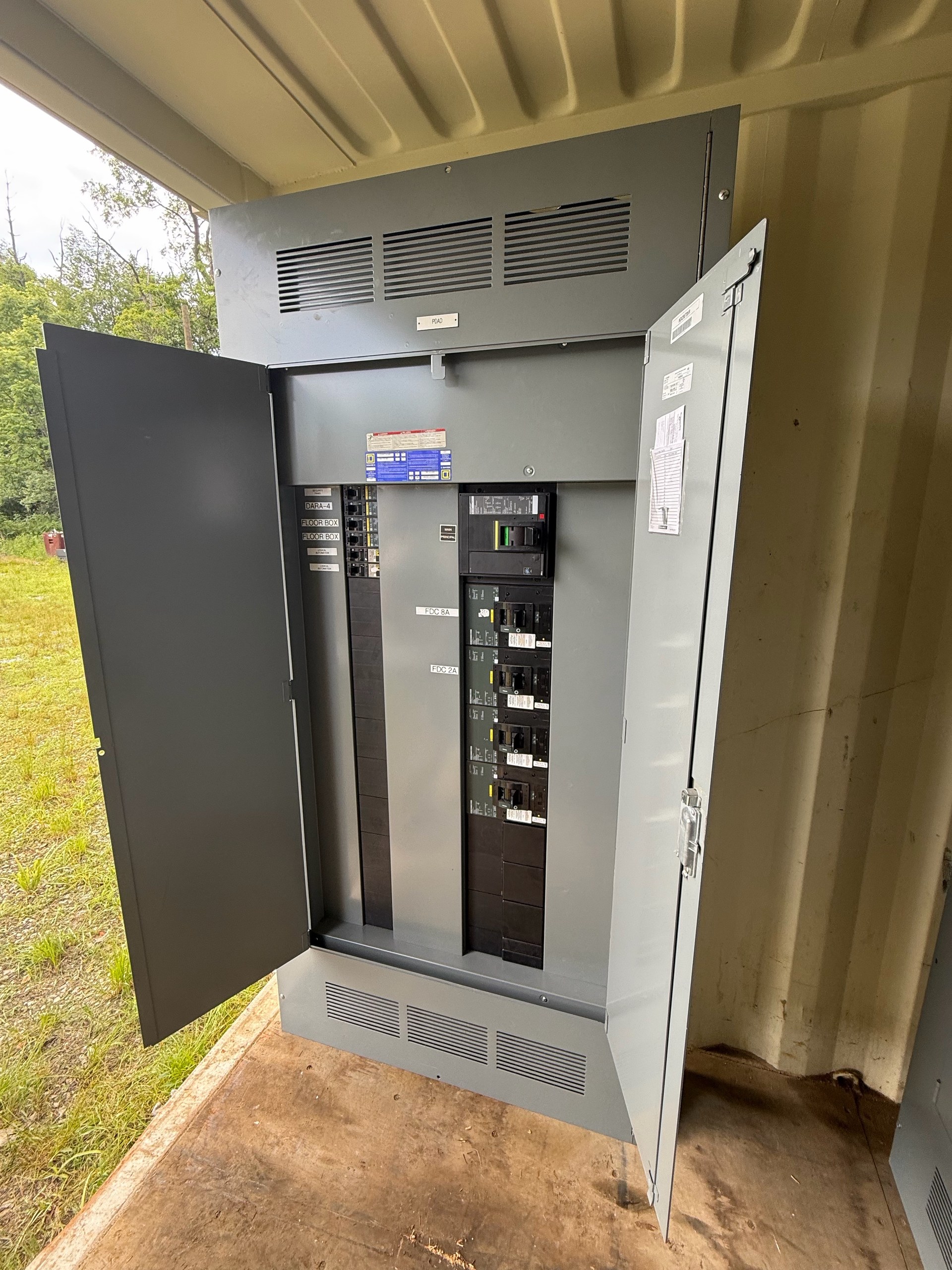
An existing 4,160-volt marking can help describe the surplus equipment being offered, but it should be tied to the exact device or assembly on which it appears. We buy used, surplus and decommissioned electrical equipment; we do not sell gear. We consider all voltage classes, subject to review. For an electrical project manager coordinating a replacement, the useful starting point is old versus replacement equipment, identification, and staged pickup. Identify what is actually offered, share what is known and leave uncertain details unguessed. An offer depends on the specific equipment, condition, access and agreement between the parties.
Document the 4,160 volts rating
If 4,160 volts is shown in an existing record or on a safely accessible exterior label, associate that number with the actual surplus equipment being offered. Record the equipment type, manufacturer, model and other ratings when available. Related assemblies and individual devices can have different markings, so a number copied from one component should not be assumed to describe the whole lot.
The buyer considers equipment across all voltage classes, but a 4,160 volts description alone does not establish condition, suitability or value. Share the complete available nameplate or existing documentation, note what is missing, and identify any conflict between records. Sellers do not have to test, operate, open or disconnect equipment to request a review.
Separate surplus from project stock
Surplus may be unused inventory, equipment removed during a project, or a spare that is no longer needed. Those are different descriptions: state which one fits each item, and distinguish factory packaging from evidence that the contents were never installed. If storage conditions or original contents are uncertain, say so instead of assuming completeness.
Count the units and identify which accessories or documents are included. If several similar items have different ratings or manufacturers, give them separate lines rather than averaging their details. The buyer can consider a partial list, and can tell you what additional information would help before either side commits to a transaction.
Separate replacement and retired equipment
During a replacement project, old and new equipment can have similar descriptions. Record the identifying tag, known manufacturer and location of the item offered, and explicitly exclude the replacement and any retained spares. Include a tentative release date if the old assembly cannot yet be handed over.
If the schedule changes, send an updated item list rather than relying on an earlier estimate. Existing project records or safely accessible exterior photos may help distinguish the two assemblies. The seller is not expected to test or disconnect either one to obtain a review.
If relevant: Photograph only safely accessible details
An exterior nameplate can show manufacturer, model and ratings, but a photo is useful only if it is obtained from a safe, accessible position. Never approach energized equipment for a closer view and never open a cover for a picture. If the label cannot be read safely, share an existing photo or document, or simply say the detail is unknown.
Pair an overall equipment photo with the label photo when both are safely available, and note which asset each image describes. If there are several sections, use the inventory identifier to keep their labels separate. Do not assume a breaker label represents the whole lineup; preserve the distinction in your notes.
If relevant: Present older equipment accurately
Older or discontinued gear may have incomplete records, changed ownership or components from different periods. Provide the identifiers you can verify, the equipment type and quantity, and any available history. Distinguish a date on a document from a verified manufacturing date, and avoid presenting an estimated age as a confirmed fact.
The fact that equipment is older or discontinued does not by itself establish value, compatibility or demand. Tell the buyer whether anything is missing and whether the asset is still installed or in storage. Review is case by case, and sellers do not need to test or dismantle equipment to request it.
Make the inventory easy to review
Begin with one line for each assembly or clearly identifiable group. Record the equipment type, quantity, site, installed or stored status, and the manufacturer, model, voltage and amperage where known. For a lineup, say how many sections are included and distinguish loose components from installed ones. The buyer needs to know which facts describe which item.
Use existing nameplate photos, asset registers or drawings where available, and label the source of uncertain details. If a record is old or conflicts with a safely accessible exterior label, send both and explain the difference. Missing information can remain unknown; there is no reason to open equipment, approach energized gear or test it for a quote.
Keep the proposed lot current
A useful scope lists quantities and locations along with retained or missing sections, loose items and known ownership restrictions. Confirm that the person discussing the transaction has authority to sell the listed property. If equipment belongs to multiple parties, explain the separate approvals instead of treating all assets as automatically available.
Availability may change during a shutdown or facility upgrade. Record which groups are ready, which depend on a future release, and which have uncertain dates. Share revisions when the list changes, and review the final offer against the latest version so that both sides understand exactly what is covered.
Review the offer against the list
Equipment of all voltage classes may be considered, whether used, surplus or decommissioned. The business buys equipment and does not sell it; examples of sources it considers include decommissioned data centers and shut-down power plants. Interest and pricing depend on the actual equipment, condition, proposed scope and review, not merely on a title or a single rating.
When an offer is made, compare its included items and exclusions with the current inventory. For an agreed deal, the buyer pays upfront before pickup. Confirm the agreed price, payment method and any dependencies with the authorized seller, and resolve discrepancies before treating the transaction or pickup schedule as final.
Prepare the handoff, not the equipment
For an accepted deal, the buyer takes responsibility for qualified disconnects, crane, rigging, loading, freight and hauling. Sellers are not expected to test, disconnect or physically move equipment. Identify the site contact, the equipment's present location and any known access or other-work constraints that could affect coordination.
If site records include dimensions, weights or photographs, share the relevant information and explain its source. Unknowns are acceptable and can be discussed with the buyer. The actual plan and date depend on the accepted scope and site conditions; never approach energized equipment or open a cover to obtain missing details.