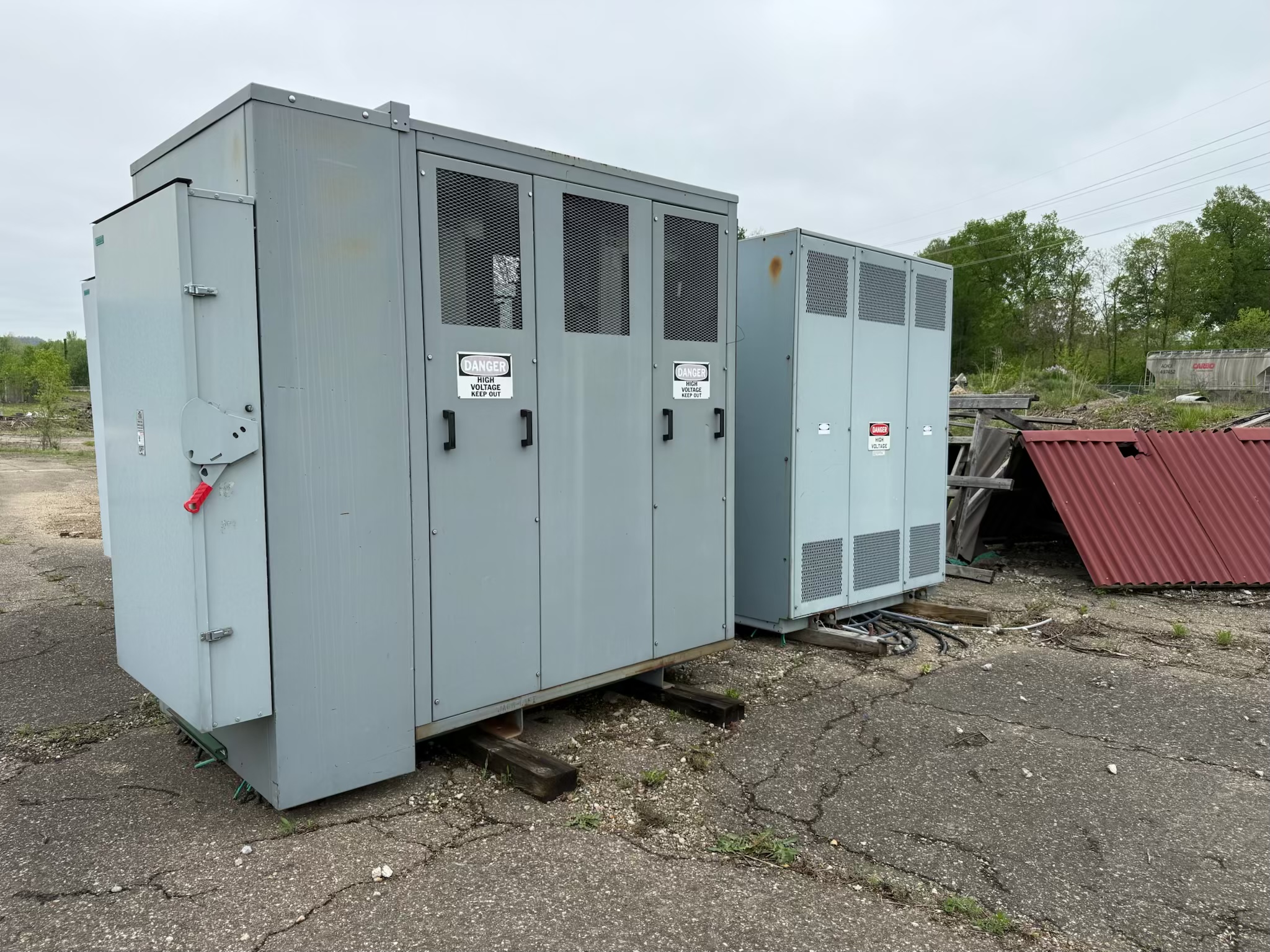
A business with switchgear or other distribution equipment in Bethany, Oklahoma, can request a review of its proposed surplus and discuss pickup directly. For example, if the lot includes electrical circuit breakers, distinguish those assets from other items and describe their actual location. We buy used, surplus and decommissioned electrical equipment; we do not sell gear. We consider all voltage classes, subject to review. For an operations manager preparing for a facility transition, the useful starting point is inventory grouping and decision-ready records. Identify what is actually offered, share what is known and leave uncertain details unguessed. An offer depends on the specific equipment, condition, access and agreement between the parties.
Describe the switchgear lineup
Switchgear is generally identified as a group of protective and switching equipment, often arranged in sections. Describe the lineup as a whole, but list distinct sections and loose breakers separately when you can. Existing records or an exterior view may show the manufacturer, model, ratings and section count. A single photograph of a long lineup may not show everything included.
State whether the lineup is still installed or has already been removed, and identify any obviously absent sections or loose components. Use words such as unknown when you cannot verify a detail. A buyer needs to understand the actual scope, not assume that every compartment is complete or that a label on one breaker describes the entire lineup.
If your Bethany inventory includes electrical circuit breakers
Circuit breakers may be part of a larger lineup or offered as loose units. List each distinct manufacturer, model or catalog number, rating and quantity when known, and say whether units are installed or stored separately. An overall lineup rating should not be treated as the rating of every individual breaker inside it.
If a breaker is described as drawout, report that only when known from an existing label or record, and say whether it is installed or loose. Record visible exterior condition and missing accessories without trying to remove or operate anything. A matching name or amperage by itself does not establish compatibility with another assembly.
Create decision-ready groups
For a facility transition, a decision-ready list separates equipment offered for sale from equipment still needed for operations or another project. Use a distinct entry for each assembly or recognizable group, identify its location and quantity, and link it to the records you already have. That gives an authorized decision-maker something specific to review.
Where a detail is not yet confirmed, mark it as pending rather than allowing a draft list to look final. A later revision can identify what changed: an added breaker, a retained section or a new release date. This helps keep the proposed scope and the eventual agreement aligned.
If relevant: Photograph only safely accessible details
An exterior nameplate can show manufacturer, model and ratings, but a photo is useful only if it is obtained from a safe, accessible position. Never approach energized equipment for a closer view and never open a cover for a picture. If the label cannot be read safely, share an existing photo or document, or simply say the detail is unknown.
Pair an overall equipment photo with the label photo when both are safely available, and note which asset each image describes. If there are several sections, use the inventory identifier to keep their labels separate. Do not assume a breaker label represents the whole lineup; preserve the distinction in your notes.
If relevant: Present older equipment accurately
Older or discontinued gear may have incomplete records, changed ownership or components from different periods. Provide the identifiers you can verify, the equipment type and quantity, and any available history. Distinguish a date on a document from a verified manufacturing date, and avoid presenting an estimated age as a confirmed fact.
The fact that equipment is older or discontinued does not by itself establish value, compatibility or demand. Tell the buyer whether anything is missing and whether the asset is still installed or in storage. Review is case by case, and sellers do not need to test or dismantle equipment to request it.
Make the inventory easy to review
Begin with one line for each assembly or clearly identifiable group. Record the equipment type, quantity, site, installed or stored status, and the manufacturer, model, voltage and amperage where known. For a lineup, say how many sections are included and distinguish loose components from installed ones. The buyer needs to know which facts describe which item.
Use existing nameplate photos, asset registers or drawings where available, and label the source of uncertain details. If a record is old or conflicts with a safely accessible exterior label, send both and explain the difference. Missing information can remain unknown; there is no reason to open equipment, approach energized gear or test it for a quote.
Confirm who can release the assets
A clear proposal identifies the authorized seller, the specific items offered and any parts that are not included. Different owners, tenants, contractors or lenders may have an interest in different assets, so disclose known restrictions and approval requirements. Use a separate entry for each site or equipment group when authority or availability differs.
State whether items are still installed, already removed or stored, and provide your best known release window as an estimate. Other project work can affect the handoff. Both sides should agree on the actual scope and schedule rather than assuming that a preliminary inventory or a hoped-for date is final.
From review to an agreed offer
This is a buying-only business; it does not sell electrical equipment. It considers used, surplus and decommissioned gear across all voltage classes, including switchgear from decommissioned data centers and shut-down power plants. A buyer reviews the actual equipment, condition, information and proposed scope before deciding whether to make an offer; no individual item is guaranteed acceptance.
If the parties agree on a deal, the buyer pays upfront before pickup. Confirm the agreed price, payment method, items included, any exclusions and timing with the authorized seller. A preliminary inquiry or estimate is not a completed transaction. Ask for clarification before accepting an offer if the proposed scope or payment terms are unclear.
Coordinate the physical handoff
For accepted deals, the buyer handles crane, rigging, qualified disconnects, loading, freight and hauling. The seller does not have to test, disconnect, lift or load the equipment. Explain whether the gear remains installed or is already stored and provide the site contact, actual access rules and known constraints so the buyer can plan the agreed work.
Existing dimensions, weights and photographs may help if they are available, but mark estimates and unknowns honestly. The buyer and site contact coordinate the details for the actual property and deal; a particular crane, route or pickup date is not assumed. Do not approach energized equipment or perform electrical work to prepare a quote.