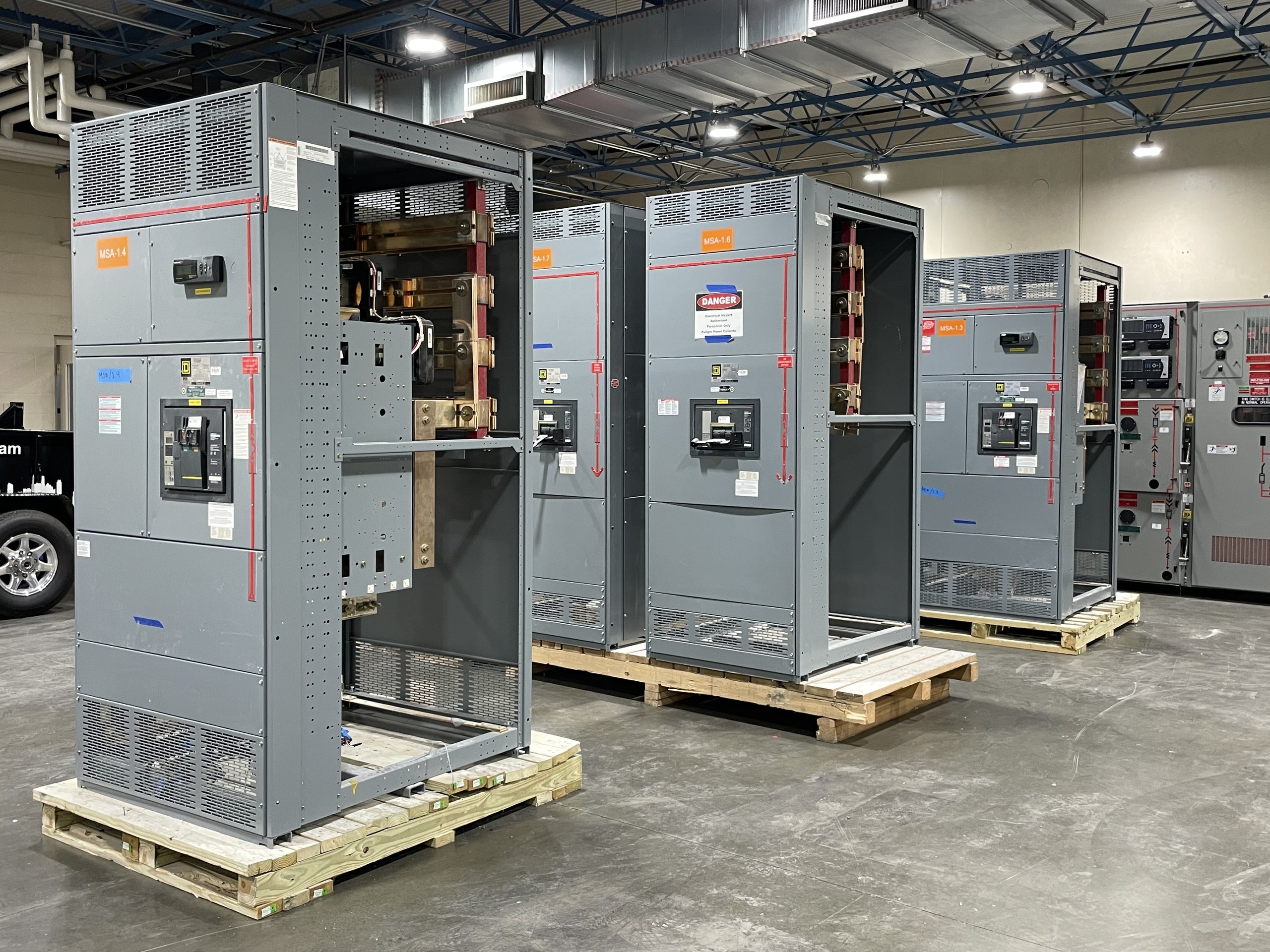
For an Oklahoma project involving utility substation changeouts, identify the particular distribution equipment offered and separate it from retained property. We buy used, surplus and decommissioned electrical equipment; we do not sell gear. We consider all voltage classes, subject to review. For a contractor reconciling equipment from a finished project, the useful starting point is ownership, line-item identification and practical site access. Identify what is actually offered, share what is known and leave uncertain details unguessed. An offer depends on the specific equipment, condition, access and agreement between the parties.
Clarify ownership and substation scope
A substation changeout can involve equipment with multiple ownership or operating responsibilities. Describe the actual distribution assets proposed for sale and identify who has authority to sell each item. A name on a project plan does not itself establish ownership. If equipment remains subject to another party's approval, flag that before a quote is requested.
Use existing labels and records to distinguish switchgear, breakers and any related transformer or other components. List retained parts and known availability dates. The buyer considers all voltage classes, but a voltage number alone is not enough to establish an offer or suitability; the complete equipment description and site arrangements still matter.
Set the project boundary
Before discussing price, define the specific electrical equipment in the proposed transaction. A project name may refer to an entire property, while the offer may cover only selected distribution assets. Use existing tags, locations and quantities to separate the proposed lot from retained assets and from equipment whose ownership has not been confirmed.
For each group, say whether it is installed, already removed or held in storage, and identify missing or uncertain information. If the project's status changes, update the buyer rather than relying on an old overview. A clear boundary helps both sides decide whether the proposed deal is worth pursuing.
Reconcile equipment from a finished job
A contractor closing a job may have stock at a jobsite and additional material in storage. Separate the items by actual owner and project allocation before proposing a sale. Existing purchase records or an asset list can help describe the equipment, but a job name alone does not prove the contractor owns every item.
Identify which assets are still installed and which are already stored, then share known pickup constraints at each property. Where a customer or another contractor must authorize release, note the dependency. The buyer can review the available information while the responsible parties clarify authority and timing.
If relevant: Describe exposure and visible condition
Outdoor storage is a useful fact to disclose, not a diagnosis of electrical condition. Give the approximate storage period if known, whether the item was covered, and any visible exterior damage, corrosion or missing panels that can be observed safely. If the storage history before your ownership is unknown, distinguish that uncertainty from the period you can describe.
If several assemblies have different histories, make separate inventory lines instead of describing the whole lot as identically stored. Existing photographs may help show condition and packaging. Do not test, open, clean or move equipment to make it look better; offer the buyer an accurate description and let the review determine interest.
If relevant: Identify the replaced equipment
An upgrade can leave the old and new equipment with similar descriptions. Identify the equipment being sold by its existing tag, manufacturer or location and clearly exclude the replacement and any retained spares. State whether the old equipment is still installed, already removed or expected to be released later.
An existing project schedule may help communicate availability, but dates can change as work proceeds. Mark tentative dates and identify the authorized site contact. The seller need not disconnect or test the equipment; after an accepted deal the buyer handles qualified disconnects and the agreed physical logistics.
Link records to the actual equipment
An asset tag or existing inventory number can connect a description, photograph and location without turning every item into a separate narrative. Give quantities and identify what is included, excluded or missing. Manufacturer and model are helpful when known, while voltage and amperage should be associated with the particular label or device they describe.
Safe exterior photos and existing documents may provide a useful starting point. A drawing can be out of date and one breaker label does not necessarily describe a whole lineup, so identify the source of each claim. If the label cannot be reached safely or the history is uncertain, tell the buyer rather than guessing.
Keep the proposed lot current
A useful scope lists quantities and locations along with retained or missing sections, loose items and known ownership restrictions. Confirm that the person discussing the transaction has authority to sell the listed property. If equipment belongs to multiple parties, explain the separate approvals instead of treating all assets as automatically available.
Availability may change during a shutdown or facility upgrade. Record which groups are ready, which depend on a future release, and which have uncertain dates. Share revisions when the list changes, and review the final offer against the latest version so that both sides understand exactly what is covered.
From review to an agreed offer
This is a buying-only business; it does not sell electrical equipment. It considers used, surplus and decommissioned gear across all voltage classes, including switchgear from decommissioned data centers and shut-down power plants. A buyer reviews the actual equipment, condition, information and proposed scope before deciding whether to make an offer; no individual item is guaranteed acceptance.
If the parties agree on a deal, the buyer pays upfront before pickup. Confirm the agreed price, payment method, items included, any exclusions and timing with the authorized seller. A preliminary inquiry or estimate is not a completed transaction. Ask for clarification before accepting an offer if the proposed scope or payment terms are unclear.
Coordinate the physical handoff
For accepted deals, the buyer handles crane, rigging, qualified disconnects, loading, freight and hauling. The seller does not have to test, disconnect, lift or load the equipment. Explain whether the gear remains installed or is already stored and provide the site contact, actual access rules and known constraints so the buyer can plan the agreed work.
Existing dimensions, weights and photographs may help if they are available, but mark estimates and unknowns honestly. The buyer and site contact coordinate the details for the actual property and deal; a particular crane, route or pickup date is not assumed. Do not approach energized equipment or perform electrical work to prepare a quote.