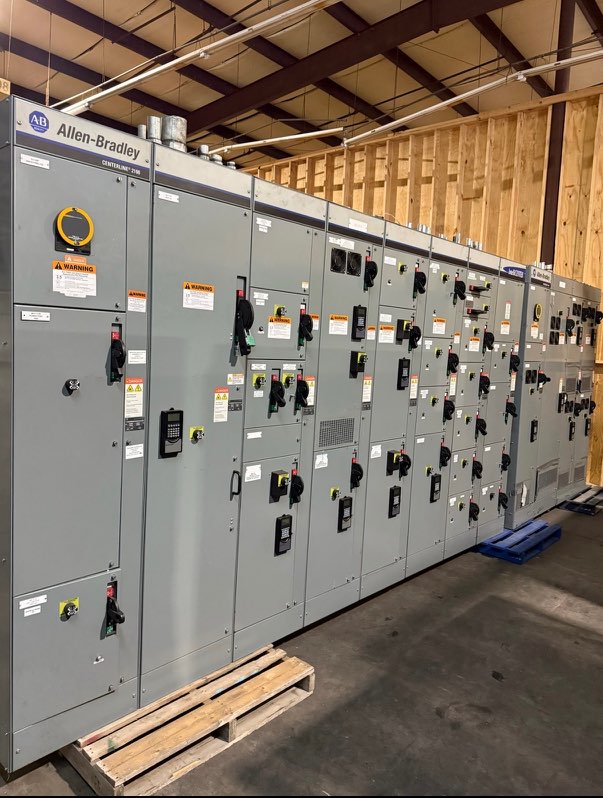
For an Oklahoma project involving industrial plant shutdowns, identify the particular distribution equipment offered and separate it from retained property. We buy used, surplus and decommissioned electrical equipment; we do not sell gear. We consider all voltage classes, subject to review. For a multi-site operator coordinating equipment release, the useful starting point is location-specific lists, responsible contacts and separate schedules. Identify what is actually offered, share what is known and leave uncertain details unguessed. An offer depends on the specific equipment, condition, access and agreement between the parties.
Separate the plant’s distribution assets
An industrial plant closeout can involve switchgear, motor control centers, switchboards, breakers and other items with different functions. List only the equipment offered, using distinct lines for identifiable assemblies and loose devices. If a motor control center is present, the section count and any known control-unit count are useful separate details.
Some equipment may be needed for a continuing operation or belong to a different owner. Identify retained assets and release dependencies before describing the remaining lot. Existing asset registers, safe exterior photographs and available plans can be compared, with discrepancies or unknowns disclosed instead of being presented as verified condition.
Describe the freight handoff
Provide the location of each group and any dimensions or weights already available in site records. Describe practical restrictions such as a controlled gate, an appointment requirement, an overhead obstruction or a limited loading area only if they apply to your site. When a measurement is unknown, label it unknown rather than guessing.
For an accepted deal, the buyer handles crane, rigging, qualified disconnects, loading, freight and hauling. The site contact and buyer can coordinate the access and timing appropriate to the actual project. The seller is not expected to arrange electrical disconnection, lift the gear or load a truck as a condition of requesting a quote.
Keep multi-site details separate
A multi-site operator can keep one inventory per location or use a shared list with an unmistakable site field on every line. For each site, identify the equipment, quantity, authorized contact and release status. Similar-looking gear at two properties may have different owners, condition histories and availability.
Communicate actual access rules and scheduling dependencies for each location, not just a corporate address. The parties can consider a combined or staged proposal, but inclusion in a single list does not guarantee an offer on every asset. Update each site’s information as approvals or dates change.
If relevant: Use the diagram as a reference
An existing one-line diagram may help identify distribution equipment, relationships between sections and labels used by the site. Identify its date or revision if shown, and tie the equipment offered to tags on the drawing where possible. Redact information you are not authorized to share, or discuss a suitable description with the buyer instead.
A diagram is not a prerequisite for an offer and may not reflect later changes. Point out known differences between the drawing, existing asset list and what can be seen safely. Do not open equipment, operate devices or produce an electrical assessment; the buyer can review the information already available.
If relevant: Separate brands and assemblies
For a mixed-brand lot, record the manufacturer shown for each assembly and, where known, for each separately listed breaker or accessory. Equipment near a branded lineup is not automatically made by the same company. Connect a photo or existing label to its own inventory line and mark unreadable names as unknown.
Describe whether components are installed or loose and avoid claiming interchangeability merely because ratings look similar. Group identical items only when their available identifiers and condition descriptions actually match. A mixed list can be submitted together, but the buyer evaluates the scope and may not offer on every piece.
Link records to the actual equipment
An asset tag or existing inventory number can connect a description, photograph and location without turning every item into a separate narrative. Give quantities and identify what is included, excluded or missing. Manufacturer and model are helpful when known, while voltage and amperage should be associated with the particular label or device they describe.
Safe exterior photos and existing documents may provide a useful starting point. A drawing can be out of date and one breaker label does not necessarily describe a whole lineup, so identify the source of each claim. If the label cannot be reached safely or the history is uncertain, tell the buyer rather than guessing.
Confirm who can release the assets
A clear proposal identifies the authorized seller, the specific items offered and any parts that are not included. Different owners, tenants, contractors or lenders may have an interest in different assets, so disclose known restrictions and approval requirements. Use a separate entry for each site or equipment group when authority or availability differs.
State whether items are still installed, already removed or stored, and provide your best known release window as an estimate. Other project work can affect the handoff. Both sides should agree on the actual scope and schedule rather than assuming that a preliminary inventory or a hoped-for date is final.
Understand the buying process
The business buys rather than sells equipment, and reviews used, surplus and decommissioned distribution gear of all voltage classes. It also considers switchgear from decommissioned data centers and shut-down power plants. A request starts a review, not a promise that every item or every proposed lot qualifies for an offer.
An agreed deal should identify the equipment and exclusions, the price and the payment and handoff arrangements. The buyer pays upfront for agreed deals before pickup. Review those terms with the person authorized to sell, and discuss open questions before accepting; changes in the actual scope may require a revised discussion.
Prepare the handoff, not the equipment
For an accepted deal, the buyer takes responsibility for qualified disconnects, crane, rigging, loading, freight and hauling. Sellers are not expected to test, disconnect or physically move equipment. Identify the site contact, the equipment's present location and any known access or other-work constraints that could affect coordination.
If site records include dimensions, weights or photographs, share the relevant information and explain its source. Unknowns are acceptable and can be discussed with the buyer. The actual plan and date depend on the accepted scope and site conditions; never approach energized equipment or open a cover to obtain missing details.