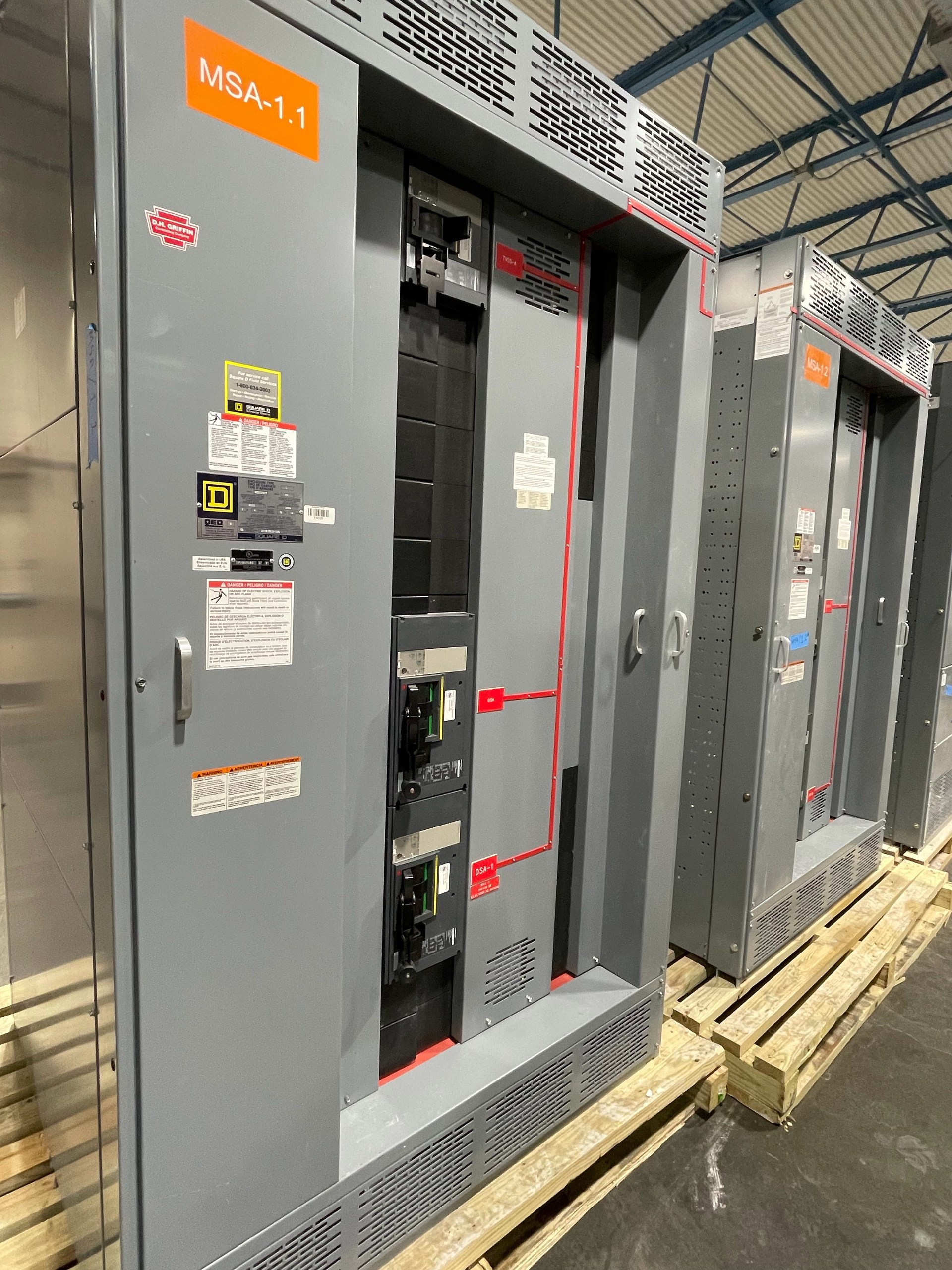
When preparing to sell electrical equipment, the goal is to explain how existing diagrams may help but are not a prerequisite. We buy used, surplus and decommissioned electrical equipment; we do not sell gear. We consider all voltage classes, subject to review. For a property owner evaluating a mixed surplus lot, the useful starting point is authorization to sell and item-by-item information. Identify what is actually offered, share what is known and leave uncertain details unguessed. An offer depends on the specific equipment, condition, access and agreement between the parties.
Use the diagram as a reference
An existing one-line diagram may help identify distribution equipment, relationships between sections and labels used by the site. Identify its date or revision if shown, and tie the equipment offered to tags on the drawing where possible. Redact information you are not authorized to share, or discuss a suitable description with the buyer instead.
A diagram is not a prerequisite for an offer and may not reflect later changes. Point out known differences between the drawing, existing asset list and what can be seen safely. Do not open equipment, operate devices or produce an electrical assessment; the buyer can review the information already available.
Check authority over a mixed lot
A property owner evaluating surplus may discover that the building, a tenant and a contractor have different interests in the equipment. Identify the actual owner or authorized seller for each proposed item, and flag known leases, liens or approval requirements. Do not infer that ownership of the building automatically establishes title to every asset inside it.
Make separate entries for different types and locations so that a decision to retain one item does not obscure the rest of the lot. State what is included, excluded or uncertain. The buyer can review the proposed scope once the relevant decision-makers and available records are clear.
If relevant: Build a useful warehouse inventory
A warehouse clearout can mix unused stock, previously installed gear, loose breakers and unidentified parts. Group items by equipment type and manufacturer where known, and list quantities and accessible exterior markings. Distinguish sealed or packaged stock from items whose contents or history are uncertain; a warehouse location alone does not establish whether an item is unused.
Record which racks or areas hold the proposed lot and identify any items the owner is keeping. Tell the buyer about relevant loading access or appointment constraints without trying to move heavy equipment yourself. Confirm who has authority to sell stock that may have come from different jobs or owners.
If relevant: Label the gaps in the records
Incomplete documentation does not prevent an initial discussion. Start with the equipment type, quantity, location and any manufacturer or ratings available from existing records or safely accessible exterior labels. If a drawing lacks a revision date or covers only part of a lineup, say so and identify which items it appears to describe.
Separate facts you can verify from an estimate or a previous owner's statement. If records conflict, provide both versions with a note rather than choosing one without evidence. The buyer can identify important gaps during review; sellers are not expected to open, operate, test or disconnect equipment to complete a file.
Make the inventory easy to review
Begin with one line for each assembly or clearly identifiable group. Record the equipment type, quantity, site, installed or stored status, and the manufacturer, model, voltage and amperage where known. For a lineup, say how many sections are included and distinguish loose components from installed ones. The buyer needs to know which facts describe which item.
Use existing nameplate photos, asset registers or drawings where available, and label the source of uncertain details. If a record is old or conflicts with a safely accessible exterior label, send both and explain the difference. Missing information can remain unknown; there is no reason to open equipment, approach energized gear or test it for a quote.
Confirm who can release the assets
A clear proposal identifies the authorized seller, the specific items offered and any parts that are not included. Different owners, tenants, contractors or lenders may have an interest in different assets, so disclose known restrictions and approval requirements. Use a separate entry for each site or equipment group when authority or availability differs.
State whether items are still installed, already removed or stored, and provide your best known release window as an estimate. Other project work can affect the handoff. Both sides should agree on the actual scope and schedule rather than assuming that a preliminary inventory or a hoped-for date is final.
Understand the buying process
The business buys rather than sells equipment, and reviews used, surplus and decommissioned distribution gear of all voltage classes. It also considers switchgear from decommissioned data centers and shut-down power plants. A request starts a review, not a promise that every item or every proposed lot qualifies for an offer.
An agreed deal should identify the equipment and exclusions, the price and the payment and handoff arrangements. The buyer pays upfront for agreed deals before pickup. Review those terms with the person authorized to sell, and discuss open questions before accepting; changes in the actual scope may require a revised discussion.
Coordinate the physical handoff
For accepted deals, the buyer handles crane, rigging, qualified disconnects, loading, freight and hauling. The seller does not have to test, disconnect, lift or load the equipment. Explain whether the gear remains installed or is already stored and provide the site contact, actual access rules and known constraints so the buyer can plan the agreed work.
Existing dimensions, weights and photographs may help if they are available, but mark estimates and unknowns honestly. The buyer and site contact coordinate the details for the actual property and deal; a particular crane, route or pickup date is not assumed. Do not approach energized equipment or perform electrical work to prepare a quote.