For an Oklahoma business considering a sale of mixed lots that include electrical busway and bus duct, the first step is to identify the particular equipment and the proposed scope. We buy used, surplus and decommissioned electrical equipment; we do not sell gear. We consider all voltage classes, subject to review. For a warehouse manager consolidating stored equipment, the useful starting point is storage history and the difference between an unknown and a defect. Identify what is actually offered, share what is known and leave uncertain details unguessed. An offer depends on the specific equipment, condition, access and agreement between the parties.
Describe the busway and fittings
Busway, also called bus duct, is a power-distribution assembly whose sale may involve straight sections and fittings rather than a single cabinet. Record quantities, existing length information, the manufacturer and visible ratings for each identifiable group. If elbows, tap boxes or other fittings are included, list them separately instead of assuming that all pieces are interchangeable.
Distinguish packaged spare sections from busway still installed in a building, and tell the buyer whether the pieces belong to one system or several. Existing plans or a storage inventory may be useful where lengths cannot be confirmed. Do not climb, open covers or disturb an installation to collect details; a partial list is a reasonable starting point.
Separate the mixed lot into lines
A mixed lot may include assemblies, loose devices and related components. Give each recognizable equipment type its own line with a quantity, location and any known manufacturer or ratings. Mark which pieces are sold together and which are merely nearby. This prevents a buyer from mistaking a spare part for an installed device or a different complete assembly.
If some pieces are uncertain, use a provisional description and link it to an existing photograph or document. Specify any excluded items and whether the lot has one owner or needs separate authorization. The buyer may assess different pieces differently; a combined submission does not guarantee an offer on every item.
Explain storage history
A warehouse manager can distinguish known storage conditions from an earlier period that is undocumented. Say whether an item was packaged, stored indoors or outdoors when known, and identify visible exterior damage without inferring how it performs. Separate equipment with different histories into distinct inventory lines, even if the items look alike.
An unknown history is not the same as confirmed damage, and intact packaging is not proof of operating condition. Attach existing labels or records to the correct item and disclose missing accessories. The buyer can consider the list without requiring the warehouse to open, energize or test the gear.
If relevant: Keep each site’s list separate
For a multi-site sale, create a separate equipment list for each location, with a site contact, quantities, ownership status and available release date. A shared spreadsheet can work if every line clearly identifies the property. Similar equipment at two sites should not be assumed to have the same condition, availability or handling requirements.
Describe access restrictions and any approval dependencies separately for each site. The buyer can discuss a combined or staged proposal, but neither a single submission nor a shared owner guarantees that every location or item will be accepted. Confirm the final deal and payment terms against the actual sites and assets included.
If relevant: Separate leftover stock from installed work
At project closeout, construction surplus can include unused purchased items, returned stock, replaced equipment and items belonging to subcontractors. Separate those categories and establish the authority to sell each one. Identify quantities and existing manufacturer or rating information, and distinguish packaging from evidence that an item is complete or unused.
State where the material is stored and whether loose accessories are included. If a project record lists equipment that was actually installed or retained, correct the sale list rather than sending the entire purchase schedule as available inventory. The buyer can assess a partial, accurate list before discussing an offer.
Record facts and unknowns separately
A practical equipment list can be short: type, quantity, location, any known manufacturer and ratings, and whether the item is still installed or stored. Add section counts or related loose items where relevant. The same manufacturer may appear on several distinct assemblies, so match labels and records to the right line rather than combining unlike items.
Note visible exterior damage, missing components and the limits of the available history. Do not claim a device works simply because its exterior looks intact. Existing documentation and safely accessible photos help a buyer review the inventory, but a seller is never asked to open, operate or test equipment for this request.
Set the sale scope and release date
Identify who owns the equipment and who is authorized to agree to a sale. Note any known lease, lien, retained component or approval that could limit the proposed transaction. If the equipment is on more than one property, keep each site and contact separate. A property owner's name does not automatically establish ownership of every piece of gear.
Explain whether the equipment is available now or expected after a project milestone. A tentative release date is not a scheduled pickup, and a list submitted for review is not a completed deal. If a component is later retained or an approval remains outstanding, update the buyer before finalizing the included equipment and timing.
Understand the buying process
The business buys rather than sells equipment, and reviews used, surplus and decommissioned distribution gear of all voltage classes. It also considers switchgear from decommissioned data centers and shut-down power plants. A request starts a review, not a promise that every item or every proposed lot qualifies for an offer.
An agreed deal should identify the equipment and exclusions, the price and the payment and handoff arrangements. The buyer pays upfront for agreed deals before pickup. Review those terms with the person authorized to sell, and discuss open questions before accepting; changes in the actual scope may require a revised discussion.
Coordinate the physical handoff
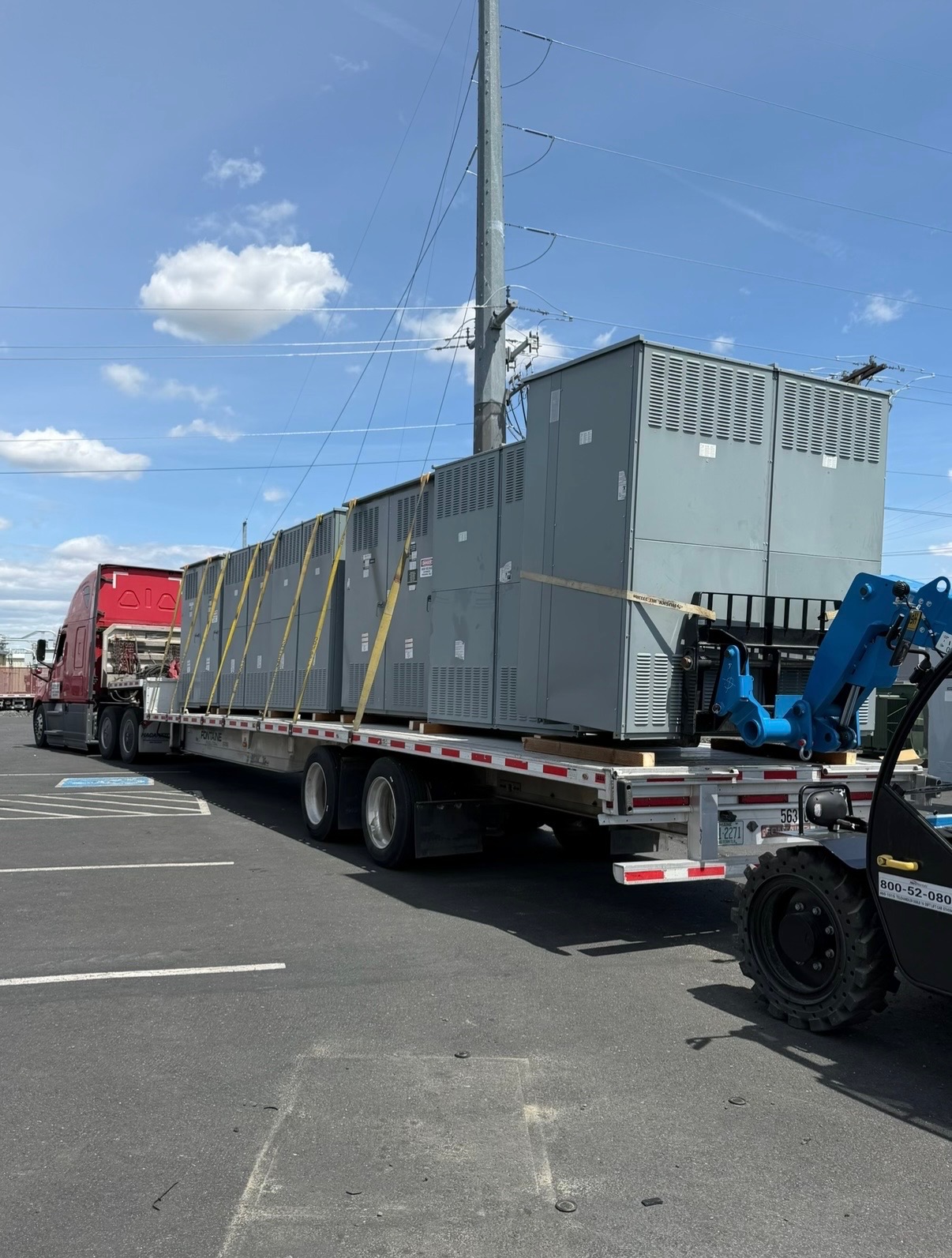
For accepted deals, the buyer handles crane, rigging, qualified disconnects, loading, freight and hauling. The seller does not have to test, disconnect, lift or load the equipment. Explain whether the gear remains installed or is already stored and provide the site contact, actual access rules and known constraints so the buyer can plan the agreed work.
Existing dimensions, weights and photographs may help if they are available, but mark estimates and unknowns honestly. The buyer and site contact coordinate the details for the actual property and deal; a particular crane, route or pickup date is not assumed. Do not approach energized equipment or perform electrical work to prepare a quote.