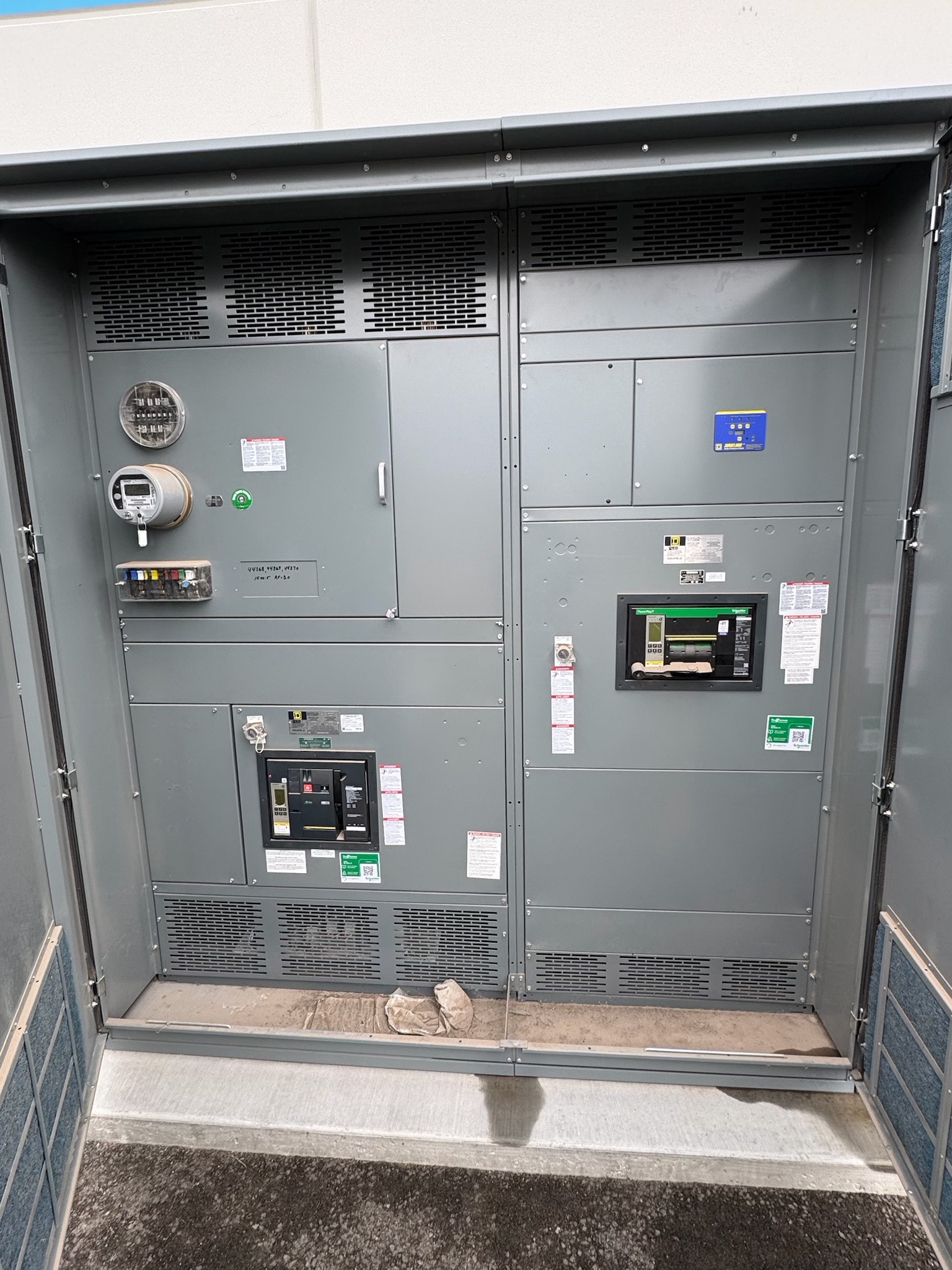
For an Oklahoma business considering a sale of equipment you are identifying as electrical switchboards, the first step is to identify the particular equipment and the proposed scope. We buy used, surplus and decommissioned electrical equipment; we do not sell gear. We consider all voltage classes, subject to review. For a facilities manager with limited documentation, the useful starting point is legible exterior identifiers, unknowns and realistic quote expectations. Identify what is actually offered, share what is known and leave uncertain details unguessed. An offer depends on the specific equipment, condition, access and agreement between the parties.
Describe the switchboard
A switchboard distributes power and may consist of more than one section. Give the number of sections, the overall identity shown on accessible exterior labels, and whether the board is installed or in storage. If a main device or other components are included, identify them from existing records or visible markings rather than assuming their ratings match the board.
Tell the buyer about sections that are missing, retained, or proposed for sale separately. A photograph showing the overall arrangement can help connect a list of individual tags to the board. Note if the available drawings describe a previous configuration; records and current appearance may differ after an upgrade, and a discrepancy is worth disclosing.
Make existing identifiers useful
A useful identifier is tied to the item it actually describes. Note where a visible nameplate appears, transcribe the markings you can read, and associate each photograph or document with an inventory number. Manufacturer, model, ratings and quantity are useful when available, but a missing field is better labeled unknown than guessed.
Take photos only from a safe, accessible position and never approach energized equipment to obtain a label. If an existing drawing or asset register disagrees with a visible identifier, send both and explain the discrepancy. The buyer can review available information; identification is not a request to test, open or dismantle anything.
Work with limited records
A facilities manager without a complete file can still begin with the equipment type, quantity, location and whatever is legible on an accessible exterior label. Existing photos and older drawings may help, but should be labeled by source. Missing model numbers or unverified condition should remain unknown rather than being estimated.
A useful next step is to send the partial list and ask which gaps affect the buyer's review. Do not open equipment or approach energized gear to find more information. A quote depends on the specifics, so a request for more details is not the same as a commitment to buy.
If relevant: Separate brands and assemblies
For a mixed-brand lot, record the manufacturer shown for each assembly and, where known, for each separately listed breaker or accessory. Equipment near a branded lineup is not automatically made by the same company. Connect a photo or existing label to its own inventory line and mark unreadable names as unknown.
Describe whether components are installed or loose and avoid claiming interchangeability merely because ratings look similar. Group identical items only when their available identifiers and condition descriptions actually match. A mixed list can be submitted together, but the buyer evaluates the scope and may not offer on every piece.
If relevant: Separate leftover stock from installed work
At project closeout, construction surplus can include unused purchased items, returned stock, replaced equipment and items belonging to subcontractors. Separate those categories and establish the authority to sell each one. Identify quantities and existing manufacturer or rating information, and distinguish packaging from evidence that an item is complete or unused.
State where the material is stored and whether loose accessories are included. If a project record lists equipment that was actually installed or retained, correct the sale list rather than sending the entire purchase schedule as available inventory. The buyer can assess a partial, accurate list before discussing an offer.
Record facts and unknowns separately
A practical equipment list can be short: type, quantity, location, any known manufacturer and ratings, and whether the item is still installed or stored. Add section counts or related loose items where relevant. The same manufacturer may appear on several distinct assemblies, so match labels and records to the right line rather than combining unlike items.
Note visible exterior damage, missing components and the limits of the available history. Do not claim a device works simply because its exterior looks intact. Existing documentation and safely accessible photos help a buyer review the inventory, but a seller is never asked to open, operate or test equipment for this request.
Confirm who can release the assets
A clear proposal identifies the authorized seller, the specific items offered and any parts that are not included. Different owners, tenants, contractors or lenders may have an interest in different assets, so disclose known restrictions and approval requirements. Use a separate entry for each site or equipment group when authority or availability differs.
State whether items are still installed, already removed or stored, and provide your best known release window as an estimate. Other project work can affect the handoff. Both sides should agree on the actual scope and schedule rather than assuming that a preliminary inventory or a hoped-for date is final.
Review the offer against the list
Equipment of all voltage classes may be considered, whether used, surplus or decommissioned. The business buys equipment and does not sell it; examples of sources it considers include decommissioned data centers and shut-down power plants. Interest and pricing depend on the actual equipment, condition, proposed scope and review, not merely on a title or a single rating.
When an offer is made, compare its included items and exclusions with the current inventory. For an agreed deal, the buyer pays upfront before pickup. Confirm the agreed price, payment method and any dependencies with the authorized seller, and resolve discrepancies before treating the transaction or pickup schedule as final.
Coordinate the physical handoff
For accepted deals, the buyer handles crane, rigging, qualified disconnects, loading, freight and hauling. The seller does not have to test, disconnect, lift or load the equipment. Explain whether the gear remains installed or is already stored and provide the site contact, actual access rules and known constraints so the buyer can plan the agreed work.
Existing dimensions, weights and photographs may help if they are available, but mark estimates and unknowns honestly. The buyer and site contact coordinate the details for the actual property and deal; a particular crane, route or pickup date is not assumed. Do not approach energized equipment or perform electrical work to prepare a quote.